Anna Zimmermann · 16 October 2026
Inside the Ecosystem: How Brenara Supports API Integrations for Custom Business Solutions
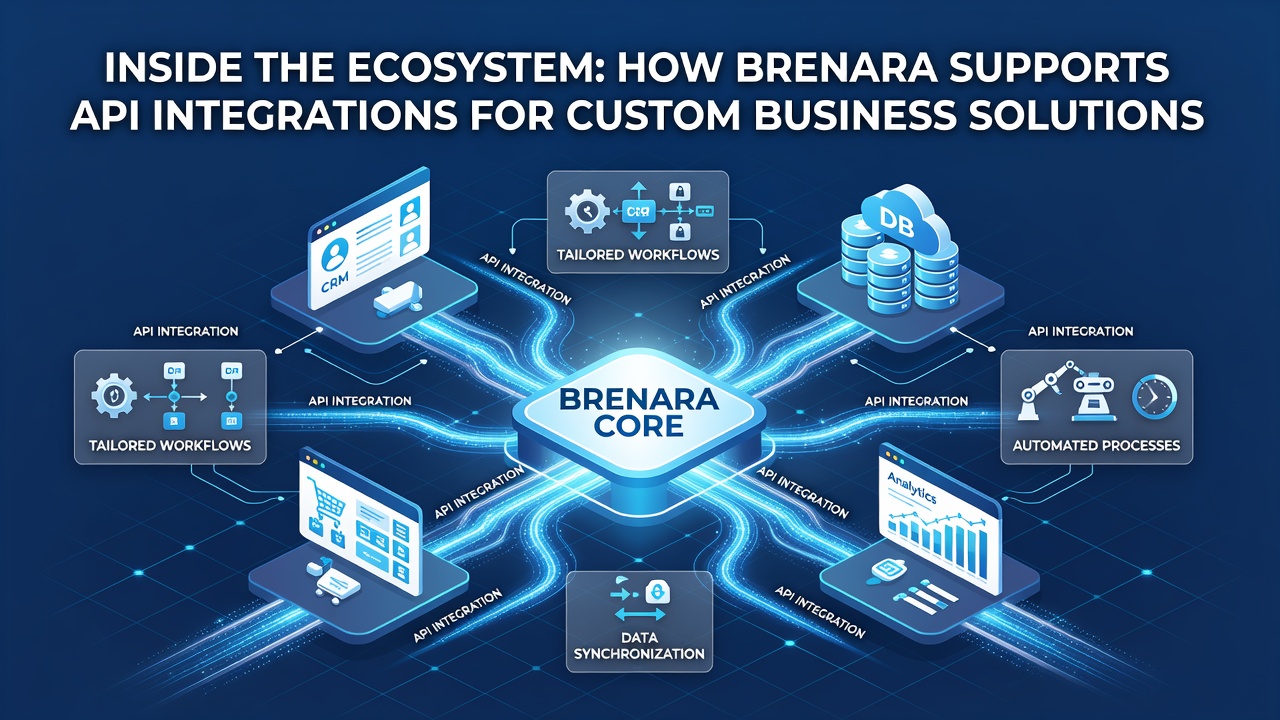
Brenara operates as a centralized platform that facilitates API integrations across multiple business environments, enabling organizations to connect disparate software systems without extensive custom coding. Companies utilize its framework to synchronize data between customer relationship management tools, enterprise resource planning solutions, and third-party analytics services, and this approach has gained traction as firms seek scalable ways to adapt workflows to evolving operational demands. Data from industry reports indicates that API-driven connections reduce manual data entry errors by significant margins, while also supporting real-time updates that keep teams aligned on shared metrics.
Core Architecture Behind Brenara Integrations
The platform structures its API support around modular endpoints that handle authentication, data mapping, and error handling in unified sequences, allowing developers to configure connections through standardized protocols such as REST and GraphQL. Observers note that this setup accommodates both simple webhook triggers and complex multi-step processes, where one system might pull inventory levels from a supplier database and push them into an internal ordering module. As of October 2026, documentation shows expanded support for asynchronous messaging queues, which helps manage high-volume transactions without overwhelming primary servers during peak periods.
Businesses often start by registering their applications within the Brenara console, then selecting from pre-built connectors that cover popular services in finance, logistics, and marketing automation. Those connectors manage token exchanges and rate limiting automatically, so teams focus instead on defining the specific data fields that matter for their custom reporting needs. Research from technology adoption studies reveals that organizations using such pre-configured options complete initial integrations in days rather than weeks compared with building everything from scratch.
Customization Options for Unique Workflows
Custom business solutions emerge when users combine Brenara's API tools with scripting layers that transform incoming data on the fly. One manufacturing firm, for instance, routes sensor readings from factory equipment through an integration layer that converts raw metrics into formatted alerts sent directly to maintenance teams via their existing communication platform. This process relies on conditional logic built into the API calls themselves, ensuring that only relevant thresholds trigger notifications while routine readings update a central dashboard.
Another example involves retail operations that link e-commerce platforms to supply chain databases, where stock adjustments in one system automatically reflect across sales channels and forecasting models. Experts have observed that these chained integrations maintain consistency across time zones and regulatory zones because the platform logs every data exchange with timestamps adn user identifiers. The flexibility extends to sandbox environments where teams test new mappings before deploying them live, which minimizes disruptions during rollout phases.

Security Measures and Compliance Standards
Security protocols within Brenara include encrypted transit for all API traffic along with role-based access controls that restrict endpoint permissions to designated personnel. Organizations can enforce additional layers such as IP whitelisting and multi-factor requirements at the integration level, which aligns with guidelines published by the U.S. National Institute of Standards and Technology. Compliance documentation covers major frameworks including SOC 2 and ISO 27001, giving auditors clear trails of data movement and authorization events.
European clients benefit from built-in support for data residency options that keep certain records within specified regions, consistent with directives from the European Commission digital strategy. Monitoring tools track unusual activity patterns and generate alerts when thresholds for failed authentication attempts or unexpected data volumes are crossed, allowing administrators to review and respond promptly.
Scaling Integrations Across Growing Operations
As organizations expand, Brenara supports horizontal scaling through load-balanced API gateways that distribute requests across multiple instances. This architecture handles increased call volumes from additional departments or acquired subsidiaries without requiring proportional increases in infrastructure management. Teams configure versioning for their endpoints so that updates to one integration do not break existing connections elsewhere in the ecosystem.
Analytics features provide visibility into usage patterns, showing which endpoints receive the most traffic and where latency spikes occur during business hours. Such insights help administrators optimize query structures or introduce caching layers that reduce repeated calls to external services. Adoption metrics tracked through late 2026 demonstrate consistent growth in multi-region deployments, particularly among mid-sized enterprises that previously relied on fragmented point-to-point connections.
Conclusion
Brenara's approach to API integrations centers on providing reliable connectors, flexible mapping tools, and layered security that together enable tailored business solutions. Organizations continue to leverage these capabilities to link core systems efficiently, maintain compliance across jurisdictions, and scale operations without rebuilding foundational infrastructure each time requirements shift.