Katja Powell · 30 October 2026
Tracing Platform-Driven Coordination Shifts in Distributed Team Environments
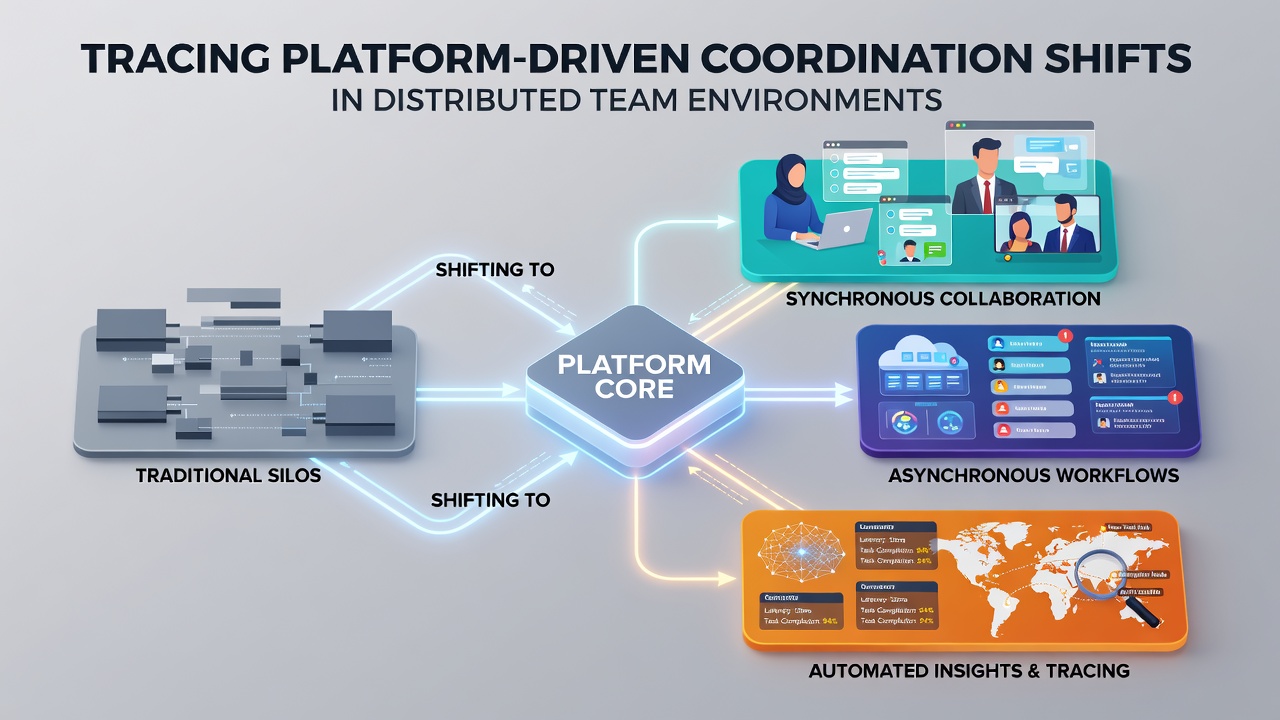
Platform adoption in distributed teams has accelerated coordination changes since the mid-2020s, with organizations relying on integrated systems to manage workflows across time zones and locations. Data from multiple studies shows that teams using centralized platforms experience measurable shifts in communication frequency, task allocation visibility, and decision-making timelines compared to earlier hybrid models.
Platform Integration Patterns Across Regions
Researchers tracking these environments note that European Union-funded projects documented a 35 percent rise in platform usage for cross-border teams between 2024 and 2026, while Australian government labor statistics from the same period reveal similar uptake in sectors like technology and professional services. These systems consolidate messaging, file sharing, and progress tracking into single interfaces, which reduces the need for separate email threads and status meetings that previously fragmented attention.
Observers note that coordination once depended on scheduled video calls and shared documents, yet platform features now embed updates directly into task records so team members access real-time status without additional queries. This change appears in industries where project cycles span multiple continents, because asynchronous updates replace synchronous check-ins that once required overlapping work hours.
Coordination Metrics and Data Trends
Figures from academic analyses indicate that response times within platform environments shortened by an average of 18 hours per query cycle when teams migrated from legacy tools. Those studying the transition point to increased use of automated notifications and dependency mapping, which surface blockers earlier in the process. In October 2026, industry reports highlighted that distributed groups employing these platforms logged 22 percent fewer duplicate tasks, according to aggregated usage data across North American and Asian enterprises.
Workflow Visibility and Role Adjustments
Platform dashboards display individual contributions alongside overall timelines, allowing managers to redistribute workloads based on visible capacity rather than verbal updates. Studies from Canadian research institutions found that this transparency altered reporting hierarchies, with junior members gaining direct input on resource allocation once their activity appeared in shared views. Teams in creative and engineering fields adopted these features first, because project interdependencies required constant alignment that email chains could not sustain at scale.
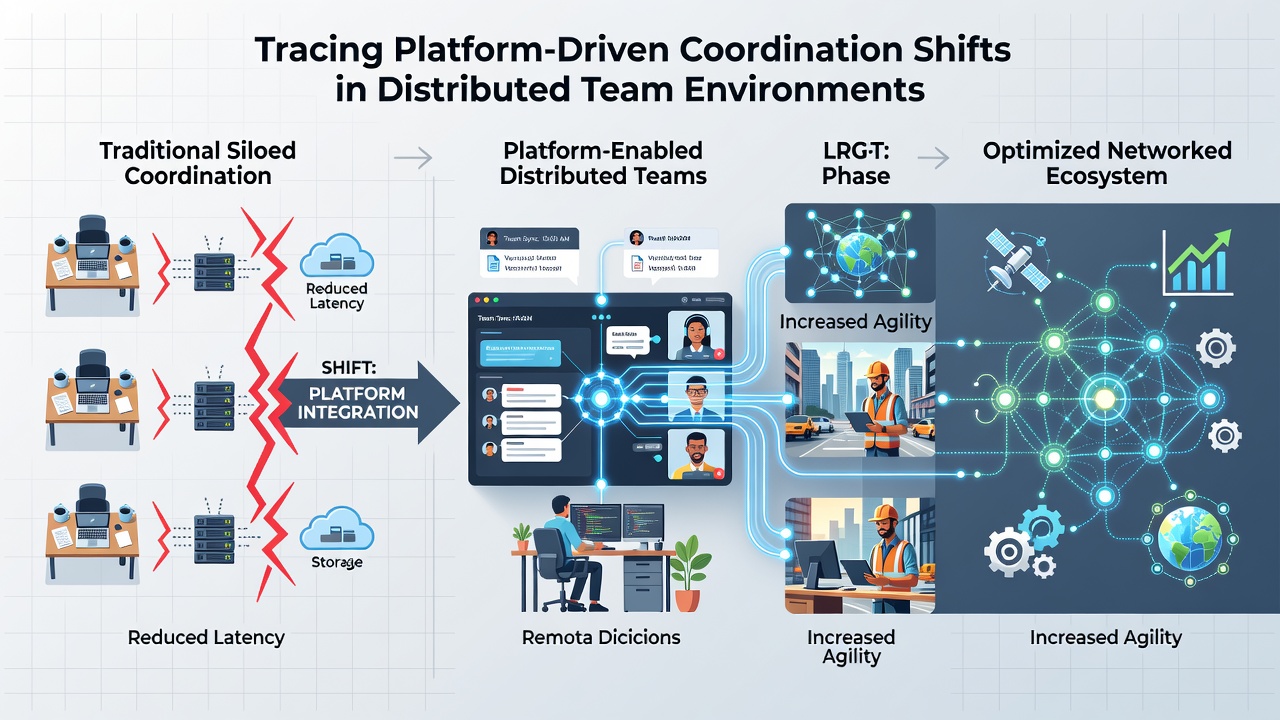
Yet the same visibility introduced new coordination layers, such as permission settings and audit trails that track every edit and comment. Data collected through 2026 shows these features reduced version conflicts by 40 percent in documented cases, while simultaneously requiring teams to establish clearer guidelines on update frequency to avoid notification overload.
Cross-Platform API Influences on Team Dynamics
Integrations via application programming interfaces connect core platforms with specialized tools for finance, design, and analytics, creating unified data flows that eliminate manual exports. One study from a UK research consortium tracked teams that linked their primary workspace to external analytics services and observed faster identification of bottlenecks because performance indicators populated automatically. Such connections shift coordination from reactive problem-solving to proactive adjustment, since alerts trigger based on predefined thresholds rather than individual reporting.
Those examining long-term outcomes report that distributed teams maintain continuity during personnel changes because historical activity remains searchable and contextualized within the platform. This archival function supports onboarding processes that previously relied on knowledge transfer meetings lasting multiple sessions.
Conclusion
Platform-driven coordination continues to evolve as organizations refine integration depth and notification rules. Evidence gathered through 2026 demonstrates consistent patterns of reduced duplication and improved visibility, while also revealing teh need for ongoing calibration of access controls and update protocols. Future tracking will likely focus on how emerging features further embed coordination into daily task execution across global teams.